
Posts by Amanda Koehler
The Science of Toast & Char: How Barrel Prep Shapes Flavor at Every Level
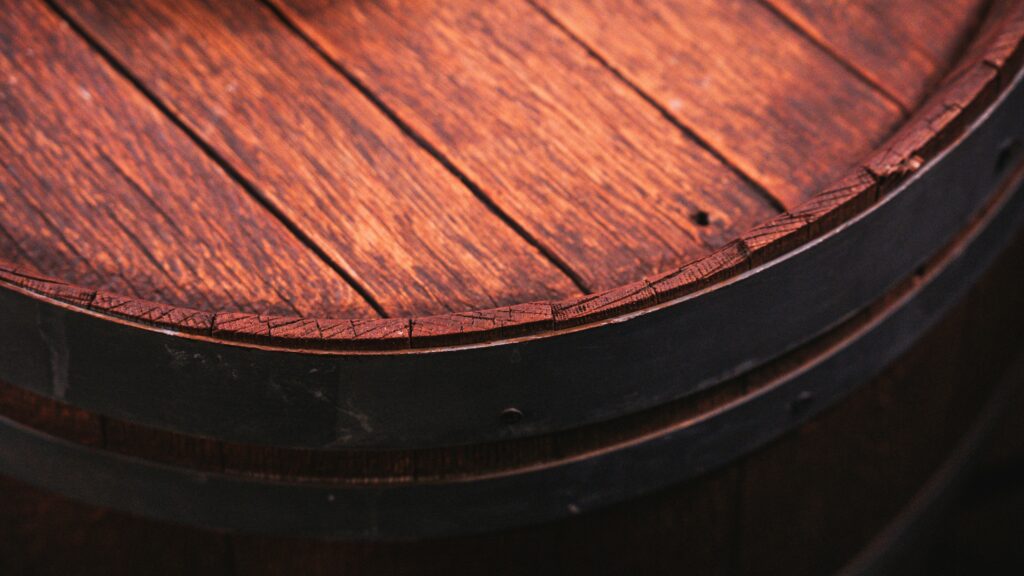
Before whiskey ever enters a barrel, fire has already begun shaping its flavor. The inside of an oak barrel can be exposed to heat in different ways — most notably through toasting and charring. While the two techniques may look similar, they do different things to the wood. The temperature, intensity, and duration of that…
Read MoreThe Manhattan: The Cocktail That Started a Whiskey Revolution
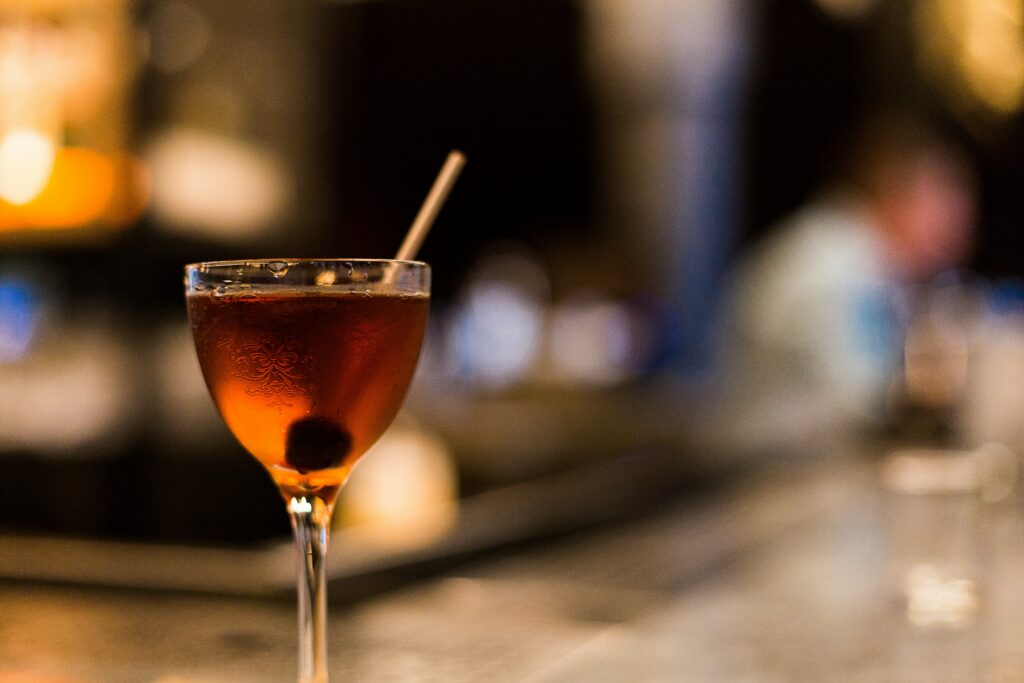
Whiskey. Sweet vermouth. Bitters. Three ingredients, stirred with ice and served with a cherry. The Manhattan is remarkably simple by modern cocktail standards. But behind that simplicity is a drink that helped define what a whiskey cocktail could be — and established a formula bartenders are still reinventing more than a century later. Bold, balanced,…
Read MoreRoot to Bottle: Why Root Depth Matters More Than You Think
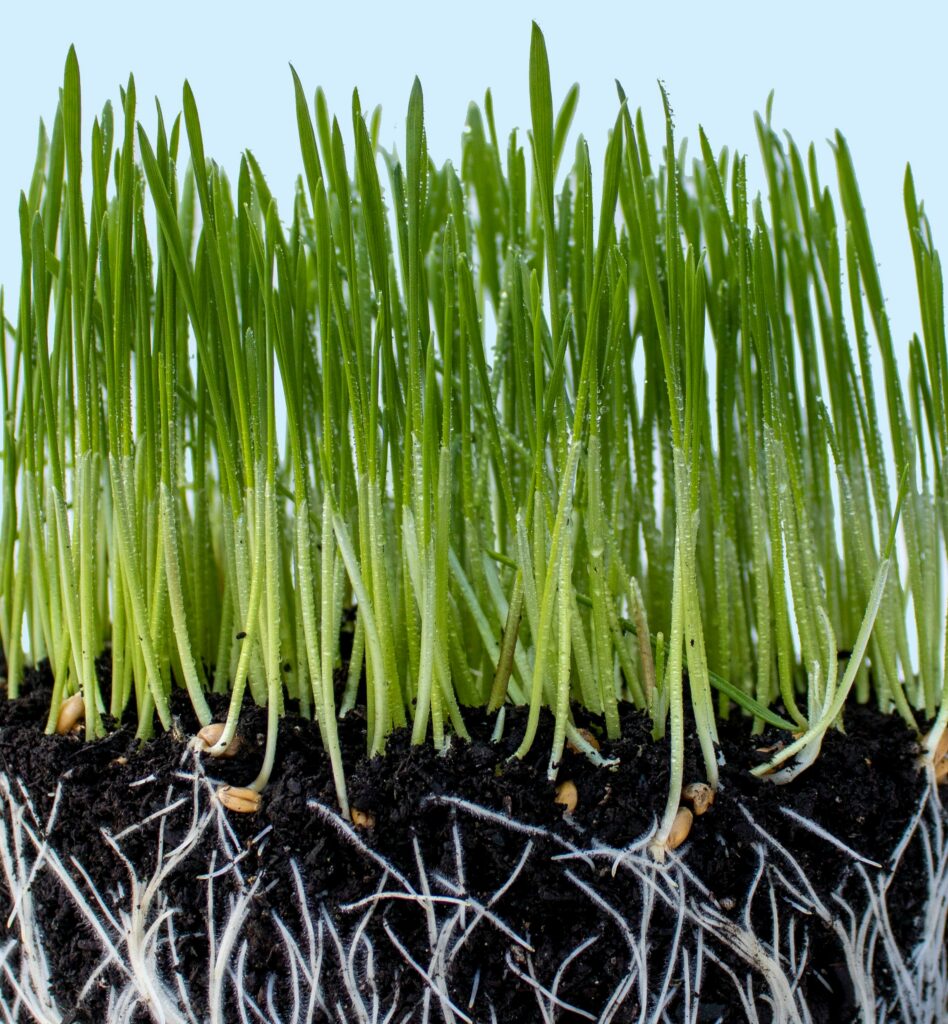
When you pour a glass of whiskey, you probably think about the grain, the barrel, the years it spent aging, or maybe the hands that distilled it. What you probably don’t think about is what happened several feet below the soil long before that grain ever reached the still. But some of the most important…
Read MoreFinishing Techniques: Wine Casks, Toast Levels & Flavor Innovation
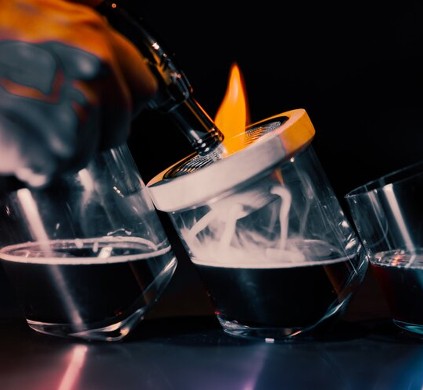
Aging whiskey in a new charred oak barrel does something remarkable. Over time, the spirit pulls flavor, aroma, and color from the wood, transforming clear distillate into something layered and complex. But sometimes, the barrel is only the beginning. Finishing gives distillers another opportunity to shape a mature spirit. By transferring whiskey into a different…
Read MoreThe Highball: Japan’s Influence on Whiskey Culture
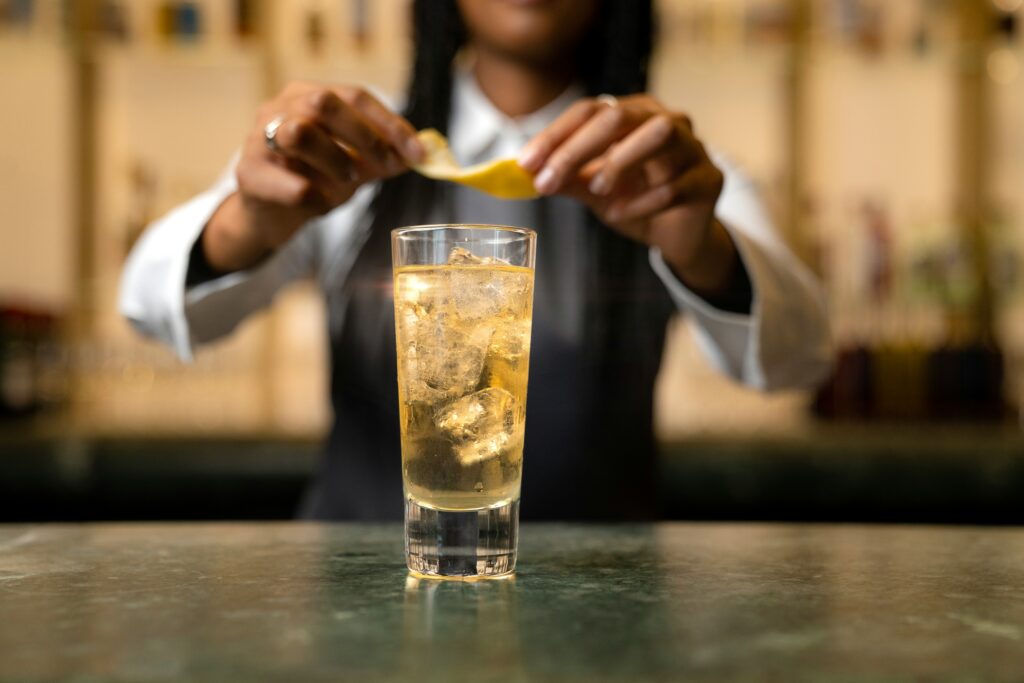
Whiskey cocktails don’t get much simpler than the highball. Whiskey. Sparkling water. Ice. On paper, it almost seems too simple to deserve much attention. But in Japan, the highball became something more: a carefully prepared drink built around balance, temperature, carbonation, and the character of the whiskey itself. Today, the Japanese-style highball has influenced bars…
Read MoreFarming in a Heatwave: How Regenerative Agriculture Builds Climate Resilience
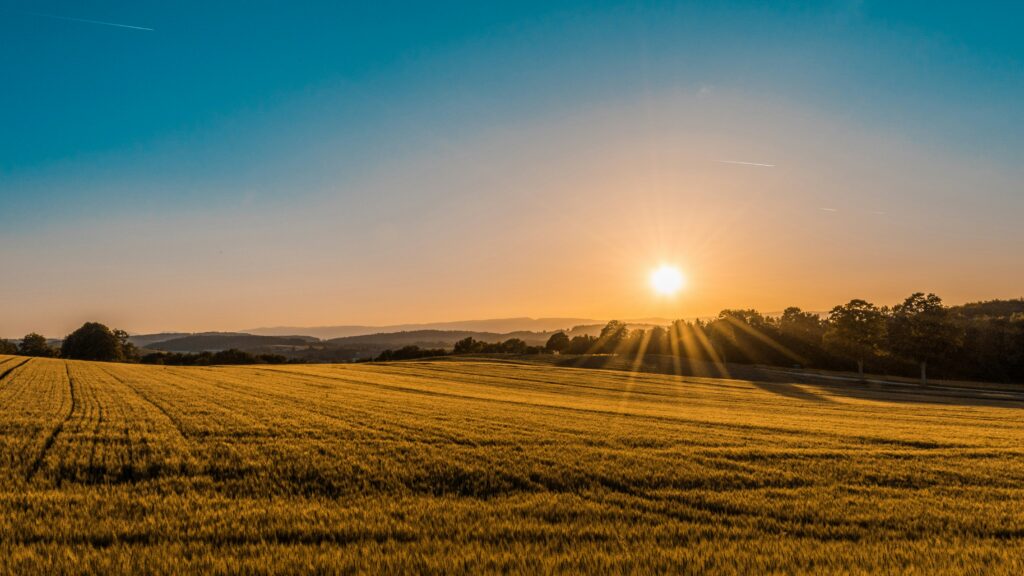
Summer has always brought its share of challenges for farmers, but in recent years, stretches of intense heat have become more common across much of the country. Days of high temperatures, limited rainfall, and dry soils can place tremendous stress on crops, reducing yields and affecting everything from grain quality to harvest timing. While no…
Read MoreWhy Grain Freshness Matters: How Time, Storage & Milling Shape Spirit Flavor

When most people think about what gives whiskey its flavor, they picture oak barrels, years of aging, or the distillation process itself. While those elements certainly matter, the journey begins much earlier—with the grain. Just as a chef starts with the freshest ingredients possible, great distillers know that exceptional spirits begin with exceptional grain. Freshness,…
Read MoreThe Mojito: From Cuban Farm Workers to Global Fame
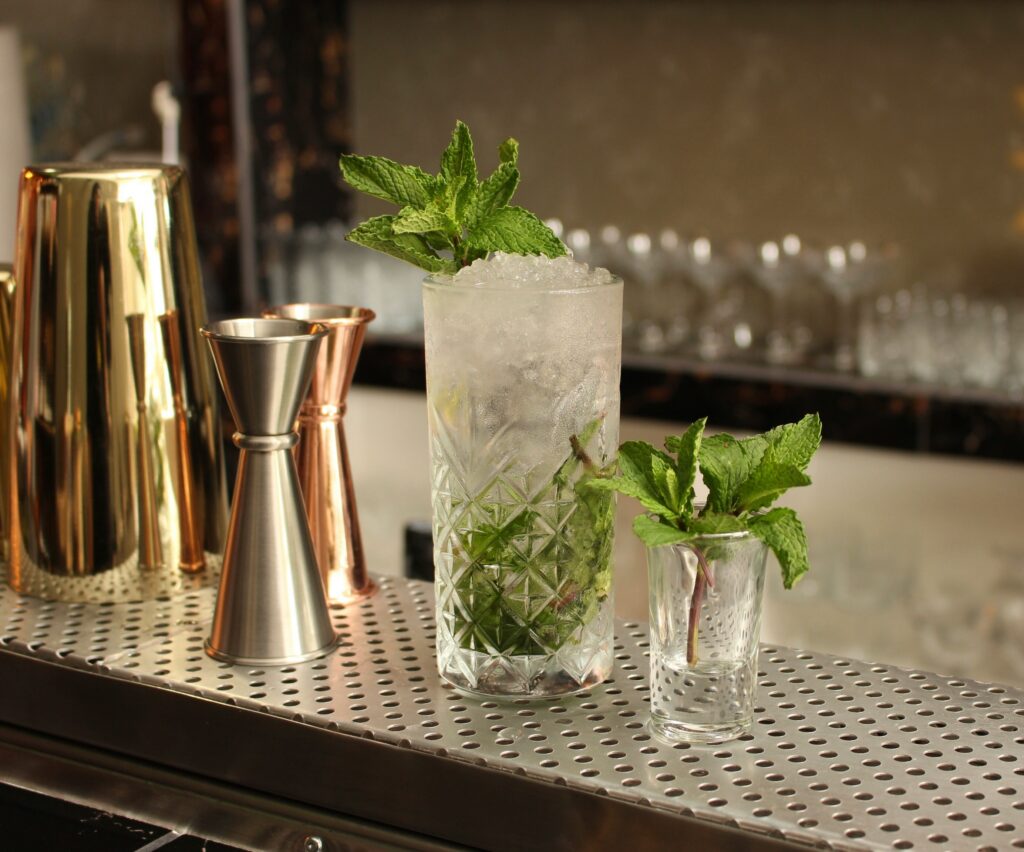
There are few cocktails that taste more like summer than a Mojito. Crisp mint, fresh lime, a touch of sweetness, sparkling soda, and rum come together to create one of the world’s most refreshing drinks. But long before it became a staple at beach resorts and backyard barbecues, the Mojito had much humbler beginnings in…
Read MoreCompanion Planting for Grains: Can Diverse Plants Improve Whiskey?

When most people think about whiskey, they think about barrels, aging, and perhaps the grains that go into the mash bill. But long before a whiskey reaches the still, its story begins in the field. Increasingly, farmers are exploring whether growing grains alongside other plants—a practice known as companion planting—can improve soil health, crop resilience,…
Read MoreThe History of the Brown Derby: Hollywood’s Forgotten Whiskey Cocktail
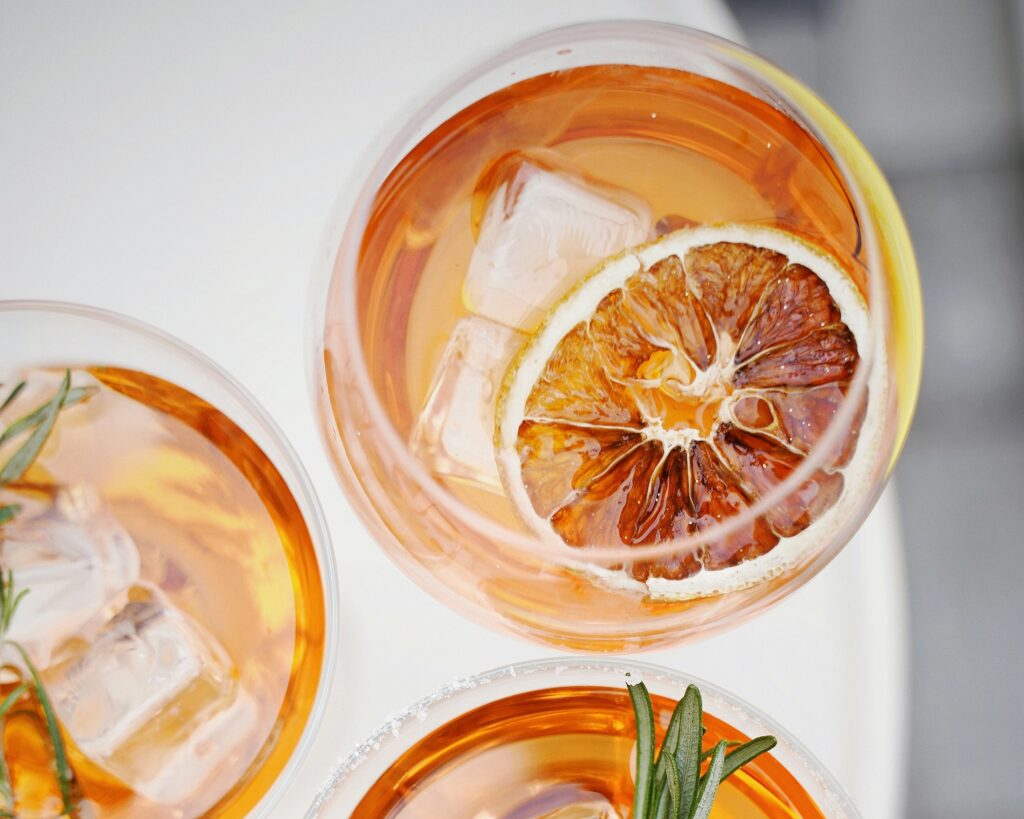
Some cocktails become household names. The Old Fashioned, Manhattan, and Whiskey Sour have enjoyed decades of popularity, appearing on cocktail menus around the world. Others, despite rich histories and excellent flavor, quietly fade into obscurity. The Brown Derby falls into the latter category. Named after one of Hollywood’s most famous restaurants, this simple yet sophisticated…
Read More